
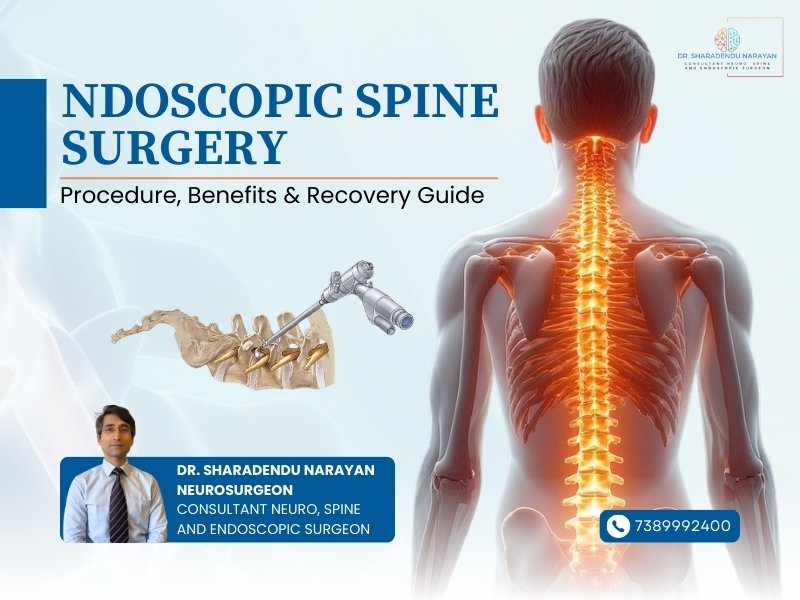
Back pain is one of the most common health problems today. Studies show that nearly 80% of adults experience back pain at least once in their lifetime. In many cases, the pain improves with rest, medication, and physiotherapy. However, for some patients the pain becomes severe and continues for months.
Conditions such as slip disc, sciatica, and herniated disc can compress spinal nerves and cause intense pain, numbness, or weakness in the legs. When conservative treatment does not work, surgery may be required.
Fortunately, medical technology has advanced significantly in recent years. One of the most effective modern treatments is Endoscopic Spine Surgery in Jamshedpur. This minimally invasive technique allows surgeons to treat spine problems through a very small incision, reducing pain and recovery time.
Many patients suffering from severe nerve pain now prefer Endoscopic Spine Surgery in Jamshedpur because it offers faster healing, minimal tissue damage, and a quicker return to daily life.
Under the guidance of Dr. S. Narayan, an experienced Neurosurgeon in Jamshedpur, patients receive advanced and patient-focused treatment for complex spine conditions.
What is Endoscopic Spine Surgery?
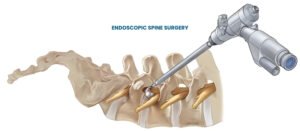
Endoscopic spine surgery is a minimally invasive spine surgery that uses a small tube-like device called an endoscope. The endoscope contains a tiny camera and light, which allows the surgeon to see the spine clearly on a monitor.
Instead of making a large incision, the surgeon makes a very small cut (usually less than 1 cm) to access the affected area.
Using special surgical tools, the doctor removes the part of the disc or bone that is pressing on the nerve.
Because the incision is small, surrounding muscles and tissues remain mostly undamaged. This is why Endoscopic Spine Surgery in Jamshedpur is becoming a preferred option for many patients suffering from spine problems.
Spine Conditions Treated with Endoscopic Spine Surgery
Endoscopic surgery can treat several spine disorders that cause nerve compression.
Slip Disc (Herniated Disc)
A slip disc occurs when the soft center of the spinal disc pushes out and presses on nearby nerves. This condition often causes severe lower back pain and leg pain.
Nearly 90% of sciatica cases are related to herniated discs.
Sciatica
Sciatica is a condition where pain travels from the lower back down to the leg because the sciatic nerve is compressed.
Many patients who do not respond to medications benefit from Endoscopic Spine Surgery in Jamshedpur for effective sciatica treatment.
Spinal Stenosis
Spinal stenosis occurs when the spinal canal becomes narrow and compresses nerves.
Endoscopic surgery helps relieve pressure by removing small portions of bone or thickened ligament.
Degenerative Disc Disease
With aging, spinal discs lose flexibility and may cause chronic pain or nerve compression.
Advanced techniques performed by an experienced Neurosurgeon in Jamshedpur can effectively relieve these symptoms.
Symptoms That May Indicate Spine Nerve Compression
Patients with spine problems may experience several symptoms. These symptoms usually worsen over time if the nerve remains compressed.
Common Symptoms Include:
- Persistent lower back pain
- Pain radiating into the leg
- Numbness or tingling in the legs
- Weakness in the legs or feet
- Difficulty walking or standing for long periods
- Burning pain along the sciatic nerve
If these symptoms continue for several weeks despite medication or physiotherapy, a specialist evaluation may be required.
Many patients consult Dr. S. Narayan, an experienced Neurosurgeon in Jamshedpur, for advanced diagnosis and treatment of spine disorders.
When is Endoscopic Spine Surgery Required?
Not every spine problem requires surgery. Doctors usually recommend surgery only when conservative treatment fails.
Surgery may be advised if:
- Severe pain continues for more than 6–8 weeks
- Pain does not improve with medicines or physiotherapy
- Nerve compression causes weakness in the leg
- Difficulty walking or standing occurs
- Loss of bladder or bowel control develops
In such situations, Endoscopic Spine Surgery in Jamshedpur may provide relief by removing pressure from the affected nerve.
Step-by-Step Explanation of the Procedure
Many patients feel nervous when they hear the word “surgery.” However, understanding the process helps reduce fear.
1. Pre-Surgery Evaluation
Before surgery, the doctor reviews the patient’s medical history and imaging reports such as MRI or CT scan.
These tests help identify the exact location of nerve compression.
2. Anesthesia
The procedure is usually performed under local anesthesia with sedation or general anesthesia.
3. Small Incision
A small incision (about 8–10 mm) is made near the affected spinal area.
4. Insertion of Endoscope
A thin tube containing a camera is inserted through the incision. The camera shows a magnified image of the spine on a screen.
5. Removal of Disc Fragment
Using specialized instruments, the surgeon removes the damaged portion of the disc or bone pressing on the nerve.
6. Closure
Because the incision is very small, only a few stitches or surgical tape are needed.
This modern technique makes Endoscopic Spine Surgery in Jamshedpur a highly effective and patient-friendly treatment.
Benefits of Endoscopic Spine Surgery
One of the main reasons this technique is gaining popularity is the many advantages it offers.
Key Benefits
- Very small incision
- Minimal muscle damage
- Less bleeding during surgery
- Reduced risk of infection
- Shorter hospital stay
- Faster recovery
- Less postoperative pain
- Early return to daily activities
Many patients choose Endoscopic Spine Surgery in Jamshedpur because it allows them to recover quickly and return to normal life sooner.
Recovery After Endoscopic Spine Surgery
Recovery after minimally invasive spine surgery is usually much faster compared to traditional open surgery.
Hospital Stay
Most patients stay in the hospital for 1 day or sometimes only a few hours.
Walking After Surgery
Patients are often able to walk within a few hours after the procedure.
Return to Daily Activities
Light activities can usually be resumed within 1–2 weeks.
Full Recovery
Most patients recover fully within 4–6 weeks, depending on their condition and overall health.
Proper follow-up care and physiotherapy help ensure the best outcome after Endoscopic Spine Surgery in Jamshedpur.
Risks and Precautions
Like any surgical procedure, endoscopic spine surgery also carries some risks. However, complications are uncommon when performed by experienced surgeons.
Possible Risks Include:
- Infection
- Bleeding
- Nerve injury
- Recurrence of disc herniation
Following the doctor’s instructions carefully helps reduce these risks.
Patients should avoid heavy lifting and sudden bending movements during the early recovery period.
When Should You Consult a Neurosurgeon?
Many people ignore spine pain until it becomes severe. However, early evaluation can prevent complications.
You should consult a neurosurgeon if you experience:
- Persistent back or neck pain
- Pain traveling into the leg
- Numbness or tingling in limbs
- Difficulty walking
- Muscle weakness
If symptoms continue, consultation with an experienced specialist such as Dr. S. Narayan, Neurosurgeon in Jamshedpur, can help determine whether advanced treatment like Endoscopic Spine Surgery in Jamshedpur is necessary.
Frequently Asked Questions
1. Is endoscopic spine surgery painful?
No. Because the incision is very small, patients usually experience less pain compared to traditional spine surgery.
2. How long does the surgery take?
The procedure typically takes about 45–90 minutes, depending on the condition being treated.
3. When can I walk after surgery?
Most patients can walk within a few hours after the procedure.
4. Is endoscopic surgery safe?
Yes. When performed by experienced surgeons, it is considered a safe and effective treatment for many spine conditions.
5. Who is a specialist for Endoscopic Spine Surgery in Jamshedpur?
Patients often consult Dr. S. Narayan, Neurosurgeon in Jamshedpur, for advanced treatment of spine disorders.