
Orbital Tumor Surgery in Jamshedpur
What Is Orbital Tumor Surgery?
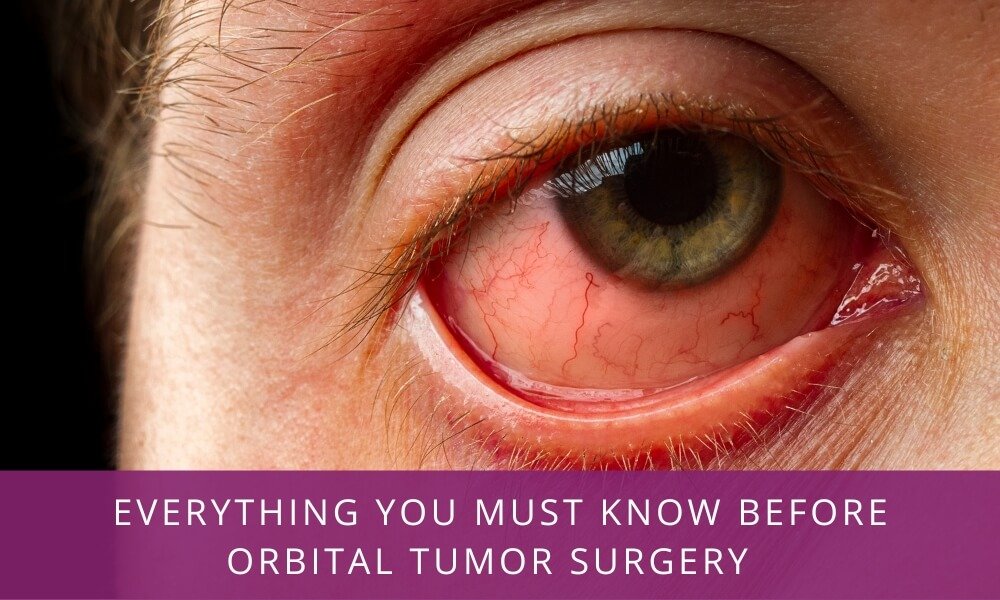
Orbital Tumor Surgery in Jamshedpur is a specialized procedure to remove abnormal growths from the eye socket, which can cause eye bulging, vision problems, or pain. These tumors, though rare, need expert care to protect both vision and overall health. With years of experience, Dr. S. Narayan offers safe and advanced orbital tumor surgery using minimally invasive techniques, ensuring faster recovery and better outcomes for patients of all ages.
Why Choose Dr. S. Narayan for Orbital Tumor Surgery in Jamshedpur?
Here’s why patients trust Dr. S. Narayan:
- Expert in Endoscopic and Skull Base Surgery
- Years of experience in complex neuro and orbital surgeries
- Friendly and clear communication with patients and families
- Uses advanced tools for better safety and faster recovery
- Gentle, caring approach that puts patients at ease
Symptoms That May Need Orbital Tumor Surgery
- Bulging of one eye (called proptosis)
- Double vision or vision loss
- Pain around or behind the eye
- Swelling in the eyelid or under the eye
- Eye not moving normally
- Headache or pressure near the eyes
What Causes Orbital Tumors?
- Benign (Non-cancerous) – These grow slowly and are easier to treat
- Malignant (Cancerous) – These need quick treatment to stop them from spreading
What Happens During Orbital Tumor Surgery?
1. 🩺 Detailed Diagnosis
Dr. Narayan uses MRI or CT scans to understand the size, shape, and exact location of the tumor.
2. 🧠 Surgical Planning
He creates a personalized plan that keeps the eye, brain, and facial nerves safe.
4. 🛏️ Recovery & Care
Most patients are up and moving in 1–2 days and can return home within a few days. Dr. Narayan and his team guide you through medicines, wound care, and follow-up visits.
Frequently Asked Questions
No. Dr. S. Narayan uses advanced techniques and anesthesia, so you feel no pain during surgery. Any discomfort after surgery is well managed with medicines.
Yes. Dr. Narayan carefully handles pediatric cases and makes sure the procedure is safe and comfortable for children.
While doctors generally consider orbital tumor surgery safe, a few potential risks exist. These risks include temporary discomfort, blurred vision, dry eyes, a risk of infection, numbness in the cheeks or forehead, and changes in vision. Like bruising and swelling, these problems usually resolve on their own over time. However, if these symptoms persist, you should immediately consult Dr. S. Narayan, the best neurosurgeon, as they may indicate that the tumor has not been completely removed or that further surgery may be necessary.
Many times, doctors do not understand the precise source of orbital tumors. However, factors such as radiation exposure, genetic predisposition, or certain medical disorders may influence their growth.