
Spine Surgery
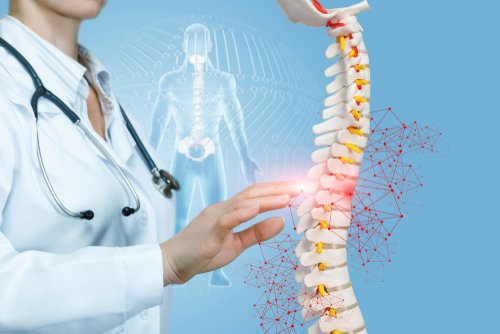
Leading Spinal Injury Treatment in Jamshedpur: Expert Care by Dr. S. Narayan
The goal of spine surgery is to reduce pain, increase mobility, and restore normal function of the spine. Dr. S. Narayan is one of the best spine surgeons in Jamshedpur, with over 20 years of experience and specialized training. He leverages advanced surgical techniques to consistently provide excellent results for his patients.
Some types of spine surgery are described below
Normal Spine
The spinal cord, an integral part of the human body, extends from the base of the skull to the pelvis and serves as a crucial support structure. It facilitates upright posture, sitting, standing, and flexible movement and bending. Additionally, the spinal cord plays a vital role in protecting internal organs.
The spine has three natural curves that give it an “S” shape when viewed from the side. These curves contribute to the body’s form and distribute weight evenly to withstand stress effectively.
Comprising numerous vertebrae arranged in a stacked formation, the spine resembles a series of ring-like blocks. Discs situated between these vertebrae act as cushions. They aid in shock absorption and load distribution.
Jamshedpur has specialists who identify and treat conditions located within the brain.
Lower Back Pain
Lower back pain is a widespread issue that affects individuals of all ages and backgrounds. Research suggests that a significant majority, approximately 75–80%, of people will experience notable back pain that requires treatment at some point in their lives. Rather than being a standalone ailment, low back pain, also known as lumbago, serves as a symptom of various underlying conditions. These conditions impact the vertebral bones, back muscles, spinal discs, ligaments, spinal cord, or, in some cases, abdominal organs. Additionally, lower back pain may extend to the hip area.
Whether it involves persistent discomfort or a sudden twinge, understanding the causes, preventive measures, and effective treatments for lower back pain is crucial.
Neck Pain
Although not as prevalent as back pain, neck pain still impacts a significant number of individuals. This condition typically stems from the chronic deterioration of cervical spine tissues. However, it can also result from muscle overuse or injury. Neck pain can be highly debilitating, especially for individuals with active lifestyles. Additionally, this pain can extend to surrounding areas and lead to symptoms such as headaches, ear pain, and shoulder pain. In cases of nerve compression in the cervical spine, discomfort may radiate down the arm. It is also common for neck pain to refer to the upper back region.
Slip Disc
Disc herniation, commonly known as a slipped disc, ranks as the most prevalent spinal disorder. This condition involves the protrusion of disc material into the spinal canal, which exerts pressure on the spinal cord and nerves. Additionally, the body’s immune response views the disc material as foreign matter, leading to inflammation around the spinal nerves. Symptoms of a slipped disc can vary widely. They range from mild discomfort to severe emergencies characterized by loss of sensation or control in the extremities and bowel-bladder function. The severity depends on the size of the herniated disc and other contributing factors. Although this condition mainly affects elderly patients, younger people can also experience it.
Spinal Stenosis
Spinal stenosis is a condition characterized by the narrowing of the spinal canal, which houses the spinal cord and nerves, resulting in pressure on nerve tissue and various associated symptoms. While some individuals may have a congenitally narrow spinal canal, which becomes symptomatic later in life due to minimal additional stenosis from degeneration, the majority of cases are attributed to chronic tissue degeneration in and around the spinal canal.
Factors such as herniated discs, arthritic facet joints, and hypertrophied ligamentum flavum contribute to the narrowing of the spinal canal. Additionally, as disc height diminishes due to progressive degeneration, the neural foramina—openings on the sides of the spinal canal—become constricted, further pressurizing the exiting spinal nerves (foraminal stenosis). Poor posture, strenuous physical activities, obesity, and spinal injuries can accelerate the degeneration of spinal tissues, leading to spinal stenosis. Moreover, spinal stenosis can also develop secondary to other significant spinal pathologies, such as spinal tumors, infections, tuberculosis, spondylolisthesis, or spinal fractures.
The meaning of cervical spondylosis
Cervical spondylosis, also known as cervical spondylitis, refers to arthritis affecting the joints of the cervical vertebrae, including the discs and facets. The pain associated with cervical spondylosis shares similarities with knee arthritis. Degeneration of the disc results in a loss of its shock-absorbing ability, while the smooth cartilage on the surface of the facet joints becomes rough. These changes cause increased friction between adjacent bone surfaces, leading to localized pain.
Cervical spondylosis often coexists with varying degrees of cervical disc prolapse and cervical spinal stenosis. Age-related degeneration, characterized by chronic wear and tear of the disc and facet joints, is the primary cause of cervical spondylosis, predominantly affecting elderly individuals. However, obese individuals and those with poor lifestyle habits such as incorrect posture, prolonged computer use, and excessive phone usage are more susceptible to developing these degenerative changes. In some cases, acute injuries or accidents can also precipitate spondylosis at a younger age.
Optimal Spine Surgery Care: When to Seek the Best Treatment in Jamshedpur
The optimal approach for addressing spine-related issues is often to allow the body time to naturally heal the underlying problem. Many spine-related symptoms tend to resolve on their own typically, a brief period of rest, medication, physical therapy, and limitations on activity can effectively treat 70–80% of individuals experiencing neck or back pain. It is not necessary to visit a spine specialist at the very first onset of the symptoms. However, it is advisable to consult a spine specialist in the following scenarios:
- When medical intervention fails to alleviate pain.
- Even after receiving therapy, the pain gets worse.
- Symptoms of nerve compression (pain, tingling, numbness, loss of feeling in the arms or legs, limb weakness, inability to control urine or feces)
- Discomfort brought on by a fever.
- Cancer’s past.
- Past trauma or injury history.
Surgical intervention for spine problems is advised when non-surgical approaches fail to alleviate the patient’s symptoms within a reasonable time frame. Rather, Dr. S. Narayan is the Best Spine surgeon in Jamshedpur and is most recommended for spine surgery in the following circumstances:
- Unbearable or severe agony,
- Symptoms that don’t improve or get worse when non-surgical therapy is given,
- Unable to continue living one’s normal life,
- X-ray-shown spinal instability due to a fracture, infection, or malignancy
- Indications of severe compression of the nerve roots.
Dr. Narayan, the Top Neurosurgeon, meticulously selects the optimal spine surgery treatment tailored to each patient’s pathology, considering various factors. The choice of procedure is based on the size and extent of the pathology. The decision is influenced by the surgeon’s preference, extensive training, surgical expertise, and the available techniques.
Spine surgery is safe in the present era due to the latest advancements in the last decade. Carefully chosen cases experience immediate relief post-surgery. The majority of procedures now utilize minimally invasive techniques, ensuring both safety and efficacy. Patients can return to work and engage in regular activities within a short period of time after surgery.
Frequently Asked Questions
Not every spine issue necessitates consultation with a spine surgeon. Many of these symptoms resolve within a few weeks. Initial treatments for various spine problems include hot or cold therapy, topical pain relief applications, spinal braces, activity modification, pain medication, muscle relaxants, and physical therapy. Patients’ family physicians or regular orthopedic surgeons can prescribe this treatment. However, if pain persists despite these measures for several weeks, it suggests a potentially significant spinal problem that requires further evaluation and investigation. In such cases, seeking the opinion of a spine specialist is advisable.
- Pain is not improving with medical treatment.
- Pain is getting worse even with therapy.
Symptoms of nerve compression (pain, tingling, numbness, lack of feeling in the arms or legs, weakness in those areas, or inability to regulate urine or feces)
- Discomfort brought on by a fever
- Cancer’s past
- Past trauma or injury history
Spinal surgery is required if the patient has severe neck or back pain, numbness, or weakness in the arms or legs. These significant symptoms can profoundly impact the patient’s daily life and often do not improve with non-operative treatments like medication, physiotherapy, or rest. In such cases, surgery is a viable option to address the underlying issues. The decision to undergo surgery is usually left to the patient, depending on how much the symptoms are affecting him or her.
The decision to have surgery or not is usually left to the patient, depending on the amount of suffering the patient has and the results of previous non-surgical treatment. However, if non-surgical interventions fail to provide relief after a reasonable period, surgery is often recommended. Certain emergency scenarios necessitate immediate spine surgery, particularly when there’s acute nerve damage or spinal instability posing risks to the nerves or spinal cord.
As per the spine literature, which we also notice in our practice, the longer the patients suffer before undergoing definitive surgical treatment, the longer it takes for them to recover after surgery. Prolonged suffering before surgery can lead to significant nerve damage, which may take months to heal, and muscle weakness can further slow down the recovery. While non-surgical treatments should be given a fair trial, undue delay in opting for necessary surgery can result in a sluggish and sometimes incomplete recovery. This underscores the importance of timely surgical intervention in ensuring optimal outcomes for patients with spine issues.
The spinal cord is a dynamic structure. After discectomy or decompression surgery, continued wear and tear of the discs and joints can lead to the recurrence of disc prolapse and spinal canal stenosis, leading to the recurrence of symptoms. In cases of severe symptoms, another surgery may be necessary. Jamshedpur’s Best Spine Surgeon, Dr. S. Narayan, can help you. Additionally, given the complex structure of the spine’s many bones, other levels may also be affected independently over time. However, the proportion of patients requiring repeat surgery is very small.