
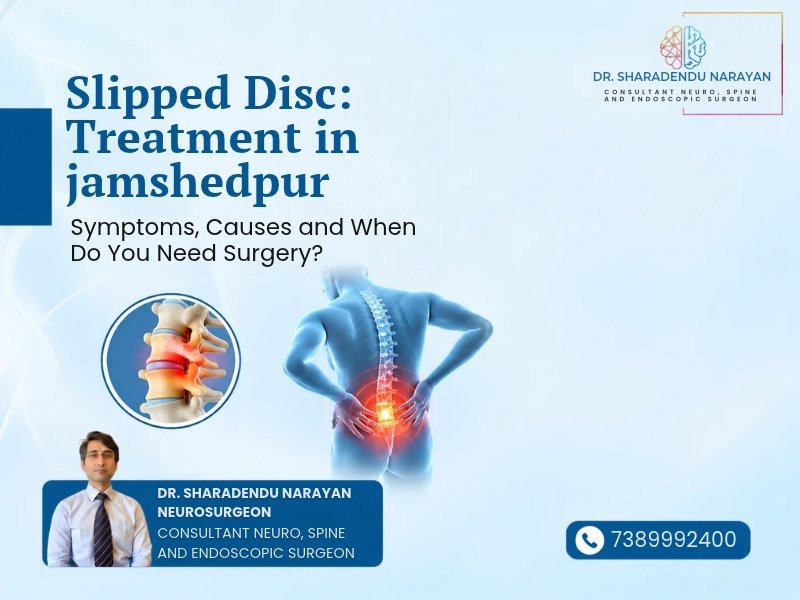
Dr. S. Narayan, Consultant Neuro, Spine and Endoscopic Surgeon in Jamshedpur, focuses on the evaluation and management of brain, spine and nerve-related conditions. A slipped disc is a common spinal problem that can cause back pain, neck discomfort, tingling, numbness and weakness in the arms or legs. Understanding its causes, symptoms and treatment options is important for anyone considering Slipped Disc Treatment in Jamshedpur.
A slipped disc does not always require an operation. Many patients recover with medication, physiotherapy, appropriate exercises and changes in daily activities. However, when the displaced disc presses on nearby nerves and causes persistent pain or progressive muscle weakness, specialist evaluation becomes necessary. Knowing when to seek medical help can prevent delays in treatment and help patients make informed decisions.
What Is a Slipped Disc? | Slipped Disc Treatment in Jamshedpur
The human spine consists of small bones called vertebrae. Between these bones are soft, cushion-like structures called intervertebral discs. These discs absorb pressure, support spinal movement and prevent the bones from rubbing against each other.
Each disc has a soft, gel-like centre surrounded by a strong outer covering. A slipped disc occurs when some of the inner material pushes through a weakened or damaged outer layer. This condition is also known as a herniated disc or prolapsed disc.
When the displaced material presses against nearby spinal nerves, it can cause pain, tingling, numbness and muscle weakness. The symptoms depend on the location and severity of the disc problem.
There are three main areas where disc herniation can occur:
- **Cervical disc herniation:** Affects the neck and may cause pain in the shoulders, arms and hands.
- **Thoracic disc herniation:** Occurs in the middle portion of the spine and is relatively uncommon.
- **Lumbar disc herniation:** Affects the lower back and may cause pain that travels into the buttocks and legs.
Not every disc bulge causes symptoms. Some people may have disc changes on an MRI scan without experiencing any pain. Therefore, treatment decisions should consider the patient’s symptoms, physical examination and investigation findings.
Patients looking for Slipped Disc Treatment in Sakchi, Jamshedpur should first understand which part of the spine is affected and whether the disc is putting pressure on a nerve.
Common Symptoms of a Slipped Disc | Slipped Disc Treatment in Jamshedpur
Symptoms can vary from mild discomfort to severe pain that affects everyday activities. Some patients experience only back pain, while others develop nerve-related symptoms.
A Slipped Disc Specialist in Jamshedpur can assess these symptoms and help identify whether they are related to disc herniation or another spinal condition.
1. Persistent Lower Back Pain
Lower back pain is one of the most common symptoms of a lumbar slipped disc. The pain may become worse while sitting, bending forward, lifting heavy objects or coughing.
Some patients experience a dull ache, while others describe sharp or shooting pain. Persistent discomfort should be evaluated, especially when it interferes with normal activities.
2. Pain Radiating Into the Legs
When a lumbar disc presses on a spinal nerve, pain may travel from the lower back towards the buttocks, thighs, calves or feet.
This condition is often associated with sciatica. The pain may feel burning, sharp or electric and usually affects one side of the body.
3. Tingling and Numbness
Nerve compression can affect normal sensation. Patients may experience pins and needles, tingling or numbness in the legs, feet, arms or fingers.
The location of these symptoms depends on the affected nerve.
4. Muscle Weakness
A compressed nerve may affect the muscles it controls. This can make it difficult to lift the foot, climb stairs, stand on the toes or hold objects properly.
Increasing muscle weakness requires prompt medical assessment.
5. Neck and Shoulder Pain
A cervical slipped disc may cause pain in the neck, shoulders and arms. Some patients also experience numbness or weakness in their fingers.
6. Difficulty Walking or Sitting
Severe pain or nerve compression may make it difficult to sit for long periods, stand comfortably or walk normally.
People experiencing these problems can discuss Slipped Disc Symptoms and Treatment in Jamshedpur with a qualified specialist to understand the cause and appropriate treatment.
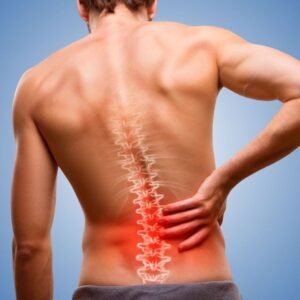
What Are the Main Causes of a Slipped Disc? | Slipped Disc Treatment in Jamshedpur
A slipped disc can develop due to gradual changes in the spinal discs, physical strain or an injury. It is not always caused by one sudden movement.
1. Age-Related Disc Degeneration
As people grow older, spinal discs gradually lose water content and flexibility. Their outer covering may become weaker, increasing the possibility of disc herniation.
2. Incorrect Lifting Techniques
Lifting heavy objects while bending or twisting the back can put additional pressure on spinal discs. Repeated incorrect lifting may increase the risk of injury.
3. Prolonged Sitting
Sitting continuously for several hours, particularly without proper back support or movement breaks, can contribute to back discomfort.
People working at desks or driving for long periods should take regular breaks and maintain a comfortable sitting posture.
4. Lack of Physical Activity
Weak abdominal and back muscles provide less support to the spine. A sedentary lifestyle can also reduce flexibility and affect normal movement.
5. Excess Body Weight
Additional body weight increases the mechanical load on the lower back. Maintaining a healthy weight can help reduce unnecessary stress on the spine.
6. Smoking
Smoking can affect the blood supply and nutrition of spinal disc tissues. It may contribute to disc degeneration and interfere with normal tissue healing.
7. Sudden Injury
Falls, accidents, sports injuries or sudden twisting movements may damage a disc, particularly when it has already become weak.
How Is a Slipped Disc Diagnosed? | Slipped Disc Treatment in Jamshedpur
Accurate diagnosis is important because not all back pain is caused by a slipped disc. Muscle strain, arthritis, spinal stenosis and other conditions can produce similar symptoms.
A Spine Surgeon in Jamshedpur will generally consider the patient’s medical history, physical examination and imaging findings before recommending treatment.
Medical History
The doctor may ask questions about:
- When the pain started.
- Whether it is located in the neck or lower back.
- Whether pain travels into the arms or legs.
- Whether numbness or weakness is present.
- Which activities make the symptoms worse.
- Whether any previous treatment has been taken.
Physical and Neurological Examination
The examination may include checking muscle strength, reflexes, sensation, balance and walking ability.
These tests help identify which spinal nerves may be affected.
MRI Scan
Magnetic Resonance Imaging (MRI) provides detailed images of spinal discs, nerves and surrounding soft tissues. It helps identify the location and extent of disc herniation.
However, an MRI finding alone does not determine whether surgery is necessary. The findings must match the patient’s symptoms and examination.
Additional Investigations
Depending on the condition, a doctor may recommend X-rays, CT scans or nerve conduction studies. These tests help evaluate associated spinal or nerve-related problems.
A Spine Doctor in Jamshedpur can explain which investigations are necessary and how the results influence the treatment plan.
Slipped Disc Treatment in Jamshedpur: Available Treatment Options
Treatment depends on the location of the affected disc, severity of pain, nerve compression and the patient’s general health.
Most patients do not require immediate surgery. The initial approach usually focuses on reducing pain, improving movement and allowing the affected tissues to recover.
1. Medication
A doctor may prescribe medicines to control pain and inflammation. Depending on the patient’s condition, these may include anti-inflammatory medicines, short-term muscle relaxants or medicines for nerve-related pain.
Medication should only be taken under medical supervision. Certain medicines may not be suitable for people with kidney, stomach or heart-related problems.
2. Physiotherapy
Physiotherapy is an important part of non-surgical management. A physiotherapist may recommend exercises to improve flexibility, strengthen supporting muscles and restore normal movement.
A treatment programme may include:
- Gentle stretching exercises.
- Core muscle strengthening.
- Posture correction.
- Controlled spinal mobility exercises.
- Gradual walking and activity progression.
Exercises should be selected according to the patient’s condition. Any movement that increases pain, numbness or weakness should be discussed with the treating professional.
3. Activity Modification
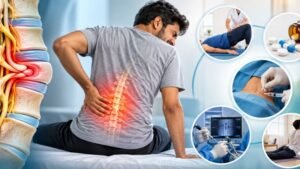
Patients may need to temporarily avoid heavy lifting, repeated bending, sudden twisting and prolonged sitting. Complete bed rest is generally not recommended for uncomplicated slipped disc cases. Gentle movement and walking, as tolerated, are usually encouraged.
4. Epidural Steroid Injections
In selected patients, an epidural steroid injection may be considered to reduce inflammation around an irritated spinal nerve. It may provide temporary relief and help patients participate more comfortably in rehabilitation. However, it does not physically remove the herniated disc.
5. Regular Follow-Up
Regular medical follow-up helps assess whether pain, mobility and nerve-related symptoms are improving.
Patients searching for a Slip Disc Doctor in Sakchi, Jamshedpur should carry their previous MRI reports, prescriptions and details of earlier treatment during consultation.
The aim of Slipped Disc Treatment in Sakchi, Jamshedpur is to reduce discomfort, protect nerve function and help patients return to everyday activities safely.
When Do You Need Slip Disc Surgery? | Slipped Disc Treatment in Jamshedpur
Surgery is not the first treatment for every slipped disc. Many patients improve through medication, physiotherapy and lifestyle modifications.
However, an operation may be considered when conservative treatment does not provide sufficient relief or when nerve compression causes serious neurological problems.
A specialist may discuss surgery in the following situations:
1. Persistent Pain Despite Treatment
If severe back or leg pain continues despite an appropriate period of non-surgical treatment, further evaluation may be necessary.
The doctor will assess whether the disc herniation is responsible for the symptoms and whether an operation is likely to provide meaningful relief.
2. Progressive Muscle Weakness
Increasing weakness in the legs, feet, arms or hands may indicate significant nerve compression.
This requires prompt specialist evaluation because prolonged nerve compression can sometimes cause lasting problems.
3. Difficulty Walking
When pain or weakness affects walking, standing or other routine activities, surgical treatment may be considered if other treatments have not helped.
4. Severe Nerve Compression
A large disc herniation may put significant pressure on a nerve root. If it causes worsening pain, numbness or weakness, the specialist may recommend surgical evaluation.
5. Cauda Equina Syndrome
Cauda equina syndrome is a rare but serious condition caused by severe compression of nerves at the lower end of the spinal canal.
Warning signs include:
- Difficulty passing urine or inability to urinate.
- Loss of bladder or bowel control.
- Numbness around the groin or genital area.
- Severe or worsening weakness in the legs.
These symptoms require immediate emergency medical attention. Patients should not wait for a routine consultation.
Types of Surgery for a Slipped Disc | Slipped Disc Treatment in Jamshedpur
The surgical approach depends on the location of the disc herniation, the severity of nerve compression and the patient’s overall health.
A Neurosurgeon in Jamshedpur can evaluate the condition and explain which procedure may be suitable.
1. Microdiscectomy
Microdiscectomy is a commonly performed procedure for selected lumbar disc herniations. The surgeon removes the portion of disc material pressing against the affected nerve.
The aim is to relieve nerve compression and reduce related leg pain.
2. Endoscopic Discectomy
Endoscopic discectomy uses a small camera and specialised instruments to access the affected disc through a relatively small incision.
It may be suitable for selected patients depending on the location and type of disc herniation.
3. Spinal Decompression
Spinal decompression involves removing selected tissue or bone to create more space for compressed nerves.
It may be considered when disc herniation occurs along with narrowing of the spinal canal.
4. Spinal Fusion
Spinal fusion joins two or more vertebrae to provide stability. It is not routinely required for an uncomplicated slipped disc and is considered only in selected cases.
The decision regarding Slip Disc Surgery in Jamshedpur should be based on clinical findings, imaging and the patient’s individual needs.
Recovery After Slipped Disc Surgery
Recovery depends on the type of procedure, severity of nerve compression and the patient’s overall health.
A general recovery plan may include:
- **Early movement:** Walking and gentle movements as advised by the treating team.
- **Wound care:** Following instructions for keeping the surgical area clean.
- **Activity restrictions:** Avoiding heavy lifting and excessive bending until cleared.
- **Physiotherapy:** Starting rehabilitation when recommended.
- **Follow-up:** Attending scheduled appointments to monitor healing.
Pain may improve gradually after surgery. Numbness and muscle weakness can take longer to recover, particularly if nerve compression was present for an extended period.
Patients should follow their surgeon’s instructions instead of comparing their recovery with other patients.
Why Consult Dr. S. Narayan for Spine-Related Problems?
Dr. Sharadendu Narayan, also known as Dr. S. Narayan, is a Consultant Neuro, Spine and Endoscopic Surgeon practising in Jamshedpur.
His professional experience includes working at RIMS Ranchi, Apollo Gleneagles Kolkata and Tata Main Hospital Jamshedpur.
His practice covers brain, spine and nerve-related conditions, including minimally invasive neurosurgery and neuroendoscopic procedures.
Patients looking for a Neurosurgeon in Jamshedpur can discuss their symptoms, previous reports and treatment options with a qualified specialist. A consultation with Dr. S. Narayan can help patients understand their condition and whether further investigations, conservative treatment or surgical evaluation may be appropriate.
When Should You Seek Professional Help?
Do not ignore back pain when it is accompanied by nerve-related symptoms.
Consider consulting a specialist if you experience:
- Back or neck pain that does not improve.
- Pain travelling from the back into the leg.
- Persistent tingling or numbness.
- Difficulty walking or standing.
- Weakness in the arms, hands, legs or feet.
- Pain that interferes with sleep or everyday activities.
Seek emergency medical attention if you experience loss of bladder or bowel control, numbness around the groin or rapidly worsening leg weakness.
Early assessment can help determine whether Slip Disc Pain Treatment in Jamshedpur should involve medication, physiotherapy, further investigations or surgical evaluation.
Conclusion: Slipped Disc Treatment in Jamshedpur
A slipped disc can affect movement, comfort and daily activities, but it does not always require an operation. With an accurate diagnosis and appropriate treatment, many patients improve through medication, physiotherapy and changes in daily habits.
However, persistent severe pain, progressive muscle weakness and signs of serious nerve compression should never be ignored. Timely evaluation helps determine whether conservative care is sufficient or surgery may be necessary.
If you are experiencing back pain, leg pain, tingling or numbness, consult Dr. S. Narayan for an assessment of your spinal condition. Slipped Disc Treatment in Jamshedpur should always be guided by symptoms, clinical examination and diagnostic findings, with the aim of improving mobility and protecting nerve health.
Frequently Asked Questions (FAQs)
1. What is the best treatment for a slipped disc?
Slipped Disc Treatment in Jamshedpur depends on the severity of the condition. Many patients improve with medication, physiotherapy and activity modification. Surgery may be considered when symptoms persist or neurological problems develop.
2. Can a slipped disc heal without surgery?
Slipped Disc Treatment in Sakchi, Jamshedpur may involve non-surgical methods such as medication, physiotherapy and guided exercises. Many patients experience improvement without an operation.
3. Which doctor should I consult for a slipped disc?
A Slipped Disc Specialist in Jamshedpur or a qualified neurosurgical or spine specialist can evaluate disc-related pain, numbness and weakness. The doctor may recommend an examination and MRI if required.
4. How do I choose the Best Spine Surgeon in Jamshedpur?
When choosing the Best Spine Surgeon in Jamshedpur, check specialist qualifications, relevant surgical experience, diagnostic approach and the ability to explain treatment alternatives and possible risks.
5. When should I visit a Spine Doctor in Jamshedpur?
Consult a Spine Doctor in Jamshedpur if back pain persists, travels into the legs or is accompanied by numbness, tingling or weakness. Sudden bladder or bowel problems require emergency attention.
6. Can a slipped disc cause permanent nerve damage?
A Slip Disc Doctor in Sakchi, Jamshedpur can assess whether nerve compression is affecting muscle strength or sensation. Severe or prolonged compression may cause lasting problems, so worsening weakness needs prompt assessment.
7. When is Slip Disc Surgery in Jamshedpur necessary?
Slip Disc Surgery in Jamshedpur may be considered when conservative treatment fails, severe pain continues or neurological weakness progresses. Emergency surgery may be necessary for serious nerve compression such as cauda equina syndrome.
8. What are the common Slipped Disc Symptoms and Treatment in Jamshedpur options?
Slipped Disc Symptoms and Treatment in Jamshedpur commonly involve assessment of back pain, leg pain, numbness and weakness. Treatment may include medication, physiotherapy, injections in selected cases or surgery when indicated.
9. Is Slip Disc Pain Treatment in Jamshedpur possible without an operation?
Slip Disc Pain Treatment in Jamshedpur can include prescribed medication, physiotherapy and appropriate activity changes. The treatment depends on the cause and severity of symptoms.
10. Why should I consult a Spine Specialist in Jamshedpur?
A Spine Specialist in Jamshedpur can evaluate spinal pain, identify possible nerve compression and recommend appropriate investigations and treatment according to the patient’s condition.
11. Can a Neurosurgeon in Jamshedpur treat a slipped disc?
Yes. A Neurosurgeon in Jamshedpur with relevant spine training can evaluate disc herniation, nerve compression and surgical treatment options. Not every patient requires surgery.
12. Where can I consult a Slip Disc Doctor in Sakchi, Jamshedpur?
You can seek an evaluation from Dr. S. Narayan, Consultant Neuro, Spine and Endoscopic Surgeon in Jamshedpur. A Slip Disc Doctor in Sakchi, Jamshedpur can assess symptoms, review MRI reports and explain suitable treatment options.